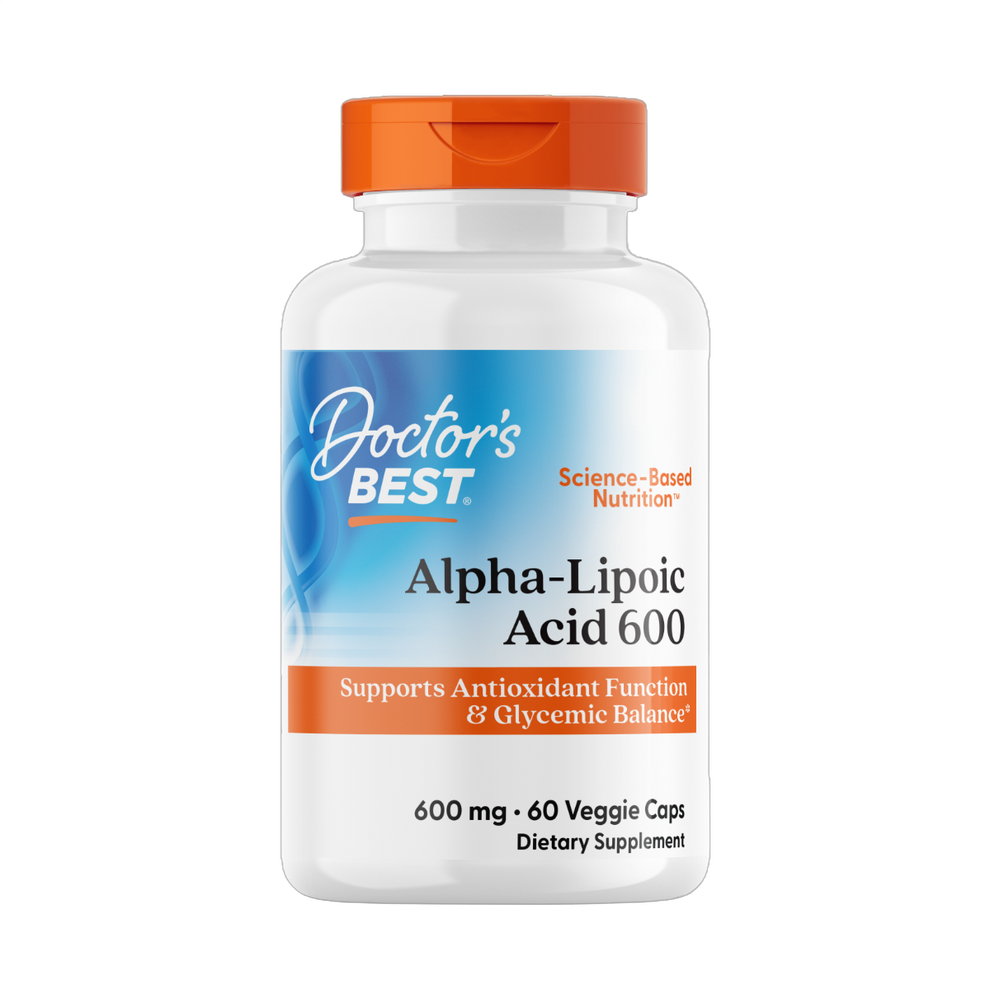
Lipoic acid, also known as alpha-lipoic acid (ALA), has become a staple in many supplement regimens because of its dual antioxidant activity and role in cellular energy metabolism. A 600″?mg dosage is a common therapeutic level that many individuals choose when they want to address oxidative stress, support healthy blood sugar, or enhance overall metabolic function. Before adding a high-potency product such as lipoic acid 600mg to a daily routine, it’s helpful to understand how the body responds, what side effects might appear, and how to maximize the benefits safely.
How Alpha Lipoic Acid Works at 600″?mg
At therapeutic doses, alpha lipoic acid functions in two primary ways:
- Antioxidant regeneration: Unlike many antioxidants that work only in water or fat, ALA is both water- and lipid-soluble, allowing it to neutralize free radicals throughout the cell.
- Energy metabolism support: It acts as a co-factor for mitochondrial enzymes that convert glucose into ATP, which can improve cellular energy efficiency.
These mechanisms explain why a supplement labeled alpha lipoic acid 600 mg is often chosen by people looking to protect nerve cells, support healthy glucose levels, and combat age-related oxidative damage.
What to Expect in the First Weeks
Initial Adaptation Phase
During the first 7-10 days, many users notice subtle changes:
- Increased energy or a mild sense of alertness, especially when taken on an empty stomach.
- Improved digestion of carbohydrates, which can translate into steadier blood-sugar spikes.
- Occasional mild gastrointestinal discomfort (e.g., a slight stomach rumble), which typically resolves as the gut adapts.
Potential Side Effects
While 600 mg alpha lipoic acid is well-tolerated, a few side effects may appear:
- Headache or dizziness – often linked to rapid changes in blood-sugar regulation.
- Skin flushing or mild itching – a sign of increased circulation.
- Transient nausea – usually mitigated by taking the capsule with a small amount of food.
If any symptom persists beyond two weeks, it’s advisable to consult a healthcare professional.
Optimising Your Supplement Routine
Timing and Dosage
Research suggests that the most effective time to ingest alpha lipoic acid 600mg is on an empty stomach, roughly 30 minutes before breakfast or two hours after a meal. This maximises absorption because ALA competes with other nutrients for transport pathways.
Synergistic Nutrients
Pairing ALA with certain vitamins can amplify its benefits:
- Acetyl-L-carnitine: Works alongside ALA to support mitochondrial health.
- Vitamin C & E: Complement ALA’s antioxidant network, creating a broader free-radical defense.
- Magnesium: Helps maintain nerve function, which is especially relevant for those using ALA for peripheral neuropathy.
Who Might Benefit Most?
While anyone can incorporate a potent antioxidant into their regimen, certain groups see pronounced results:
- Individuals with pre-diabetes or type-2 diabetes: ALA has been shown to improve insulin sensitivity and reduce oxidative stress associated with high glucose levels.
- People experiencing peripheral neuropathy: Clinical trials indicate that 600″?mg daily can lessen pain and improve nerve conduction.
- Athletes and active adults: Enhanced mitochondrial efficiency may translate to quicker recovery after intense workouts.
Safety Considerations and Interactions
Before starting a regimen of lipoic acid 600mg, keep the following in mind:
- Thyroid medication: ALA can influence thyroid hormone levels; monitoring is recommended.
- Chemotherapy: Because of its antioxidant properties, ALA may interfere with certain cancer treatments.
- Pregnancy & lactation: There is limited safety data, so professional guidance is essential.
Long-Term Use and Maintenance
Most studies evaluating ALA’s efficacy run for 12 weeks or longer, and participants generally maintain the supplement without significant tolerance buildup. For continued benefit:
- Consider a “maintenance break” of one week every 2-3 months to assess the body’s baseline response.
- Rotate with other antioxidants (e.g., coenzyme Q10 or curcumin) to prevent potential adaptation.
- Track key health markers, blood-sugar, lipid profile, and subjective energy levels, to gauge effectiveness.
Conclusion
Choosing a high-potency product such as alpha lipoic acid 600mg can offer a multifaceted boost to metabolic health, antioxidant protection, and nerve function. By understanding the initial adaptation period, monitoring for mild side effects, and pairing the supplement with complementary nutrients, users can safely integrate this powerful antioxidant into a long-term wellness strategy. As always, personalized advice from a qualified health professional ensures that the dosage and timing align with individual health goals and existing medical conditions.
